
Palm Tree Care in Orlando: Trim for Health
Palm Trimming Should Protect the Bud, Not Just Clear Fronds
Palm Tree Care in Orlando comes down to one simple idea. A good trim protects the bud at the top of your palm, not just the fronds you can see from the driveway.
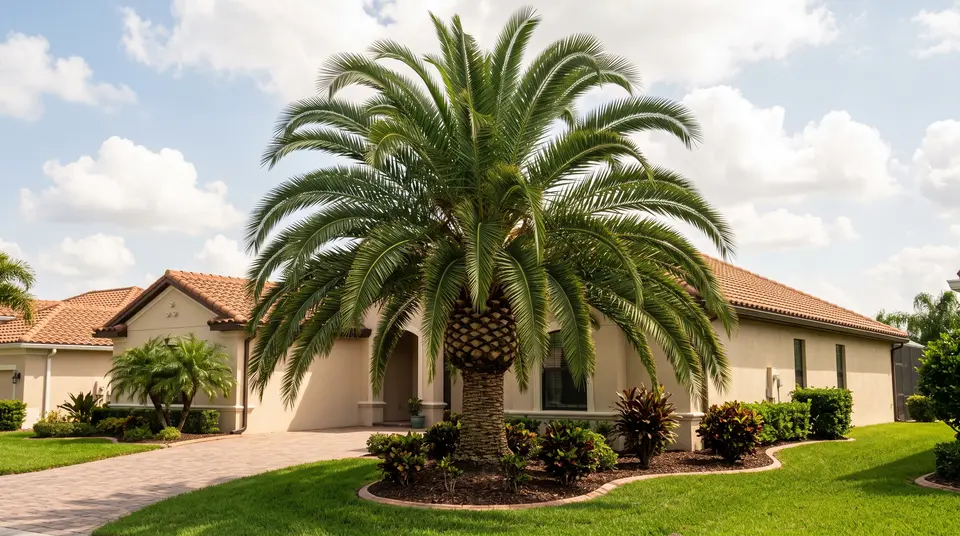
A palm grows from one bud at the top of its trunk. If that bud gets hurt, the palm can't grow a new one, so careful trimming matters more than how much you cut. Leaving healthy green fronds in place keeps your palm fed, strong, and better able to ride out Orlando's summer storms.
Most trees can bounce back from a rough cut. Palms don't work that way. Everything new comes from a single growing point tucked inside the crown. If it's damaged, the palm usually can't recover.
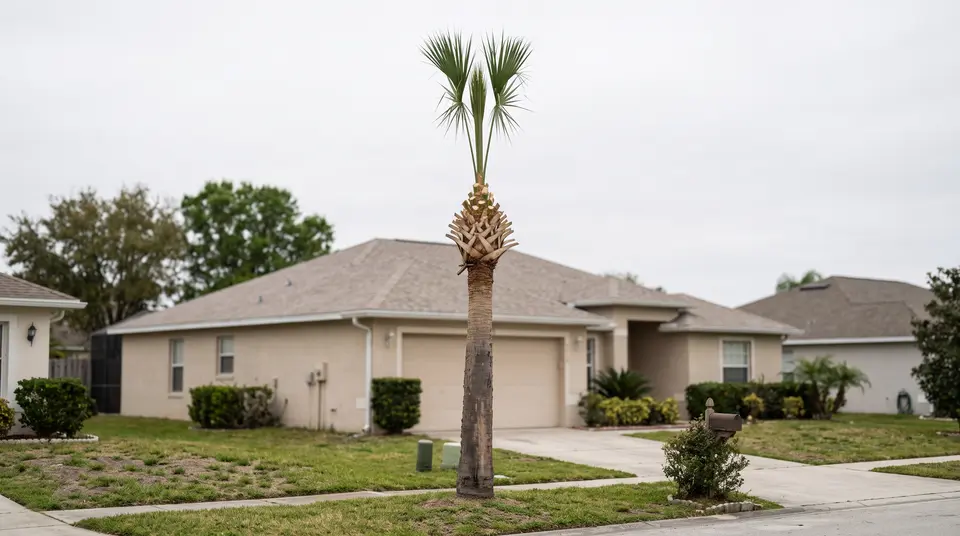
You've probably seen palms trimmed down to a skinny tuft of fronds sticking straight up. The trouble is, those green fronds are how your palm feeds itself. Strip too many and the tree has less to work with. Over time, the trunk can get thinner near the top, a look folks call pencil-pointing (opens in new tab). That narrow spot can be a weak point.
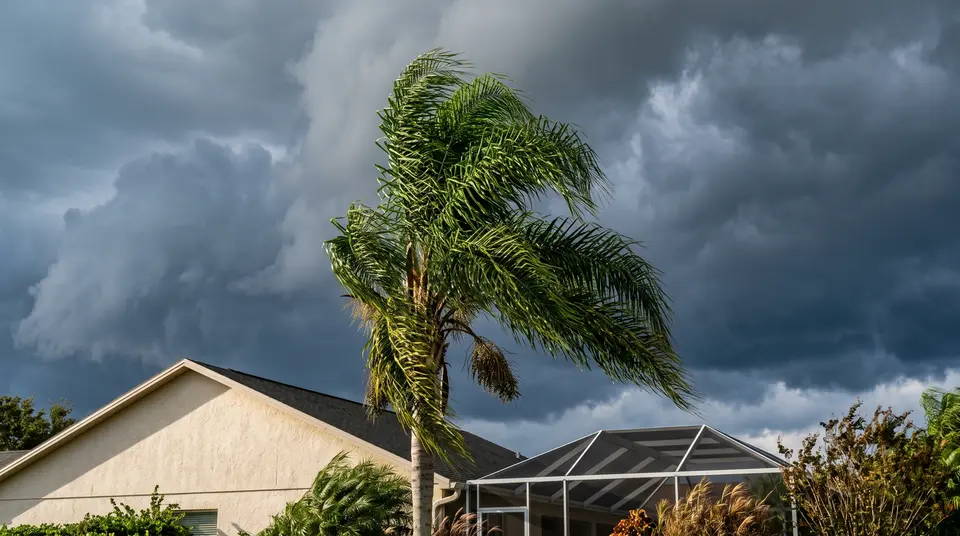
Orlando's hurricane season runs through summer and fall, and a palm that's been cut too hard has less strength to handle strong wind (opens in new tab). A full, healthy crown is part of what helps a palm flex and hold up.
Signs a Palm Needs Trimming Now
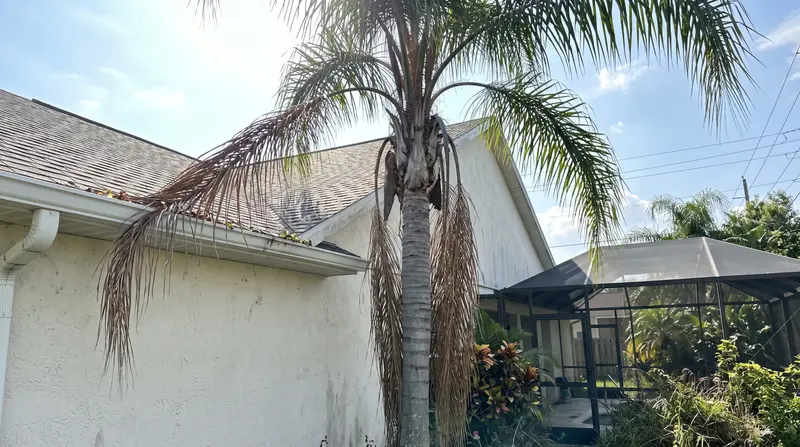
Most palms don't need a trim on a set schedule. They need one when something is going on up top. Here's what to look for when you step outside and look up at your palm.
Brown fronds hanging down against the trunk. Once a frond is fully dead and dry, the palm is done with it.
Fronds touching your roof, gutters, or screen enclosure. Palm fronds are heavy and rough. When wind moves them, they can scrape shingles, clog gutters, or tear pool screens.
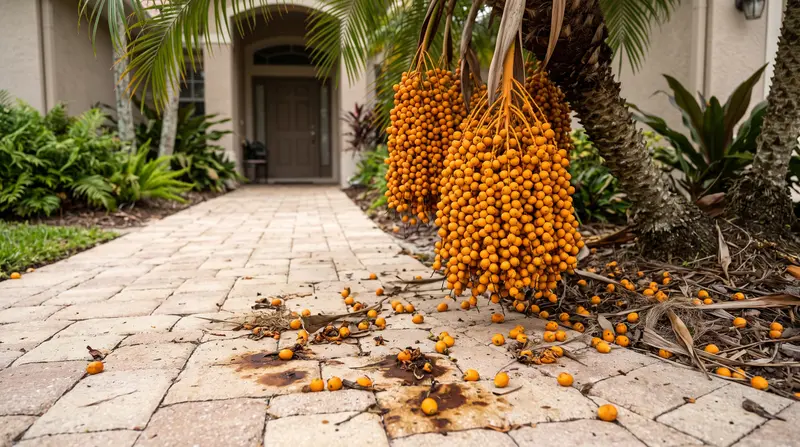
Big clusters of fruit or seed pods. Many palms drop fruit that stains pavers, draws bugs, and makes walkways slick.
Palms growing near power lines. Fronds in or near lines are a real hazard.
A crown that's crowded with old growth before storm season.
Timing matters in Orlando. Getting loose, dead growth cleared before the stormy months means less stuff up top that can break off and hit your house, your car, or your neighbor's fence. If your palm has been building up dead fronds all spring, early summer is a smart time to take care of it.
Worth a closer look: Some changes aren't a trimming problem. If the newest fronds in the center are yellow, stunted, bent, or wilting, cutting more off won't fix it. The same goes for a crown that suddenly looks thin or a trunk with soft or oozing spots. Those signs mean something else may be going on, and it's worth having someone look before anything gets cut.
The simple rule is this. Trim when dead growth, weight, or reach is causing a problem. Wait when the palm is green and out of the way.
Not sure what your Palm tree care project needs? Ask us.
(407) 221-6533Call now for a free estimate. We're ready to help.
Call NowHow Often Palms Need Trimming in Central Florida
There's no magic number of trims per year that fits every palm. How often yours needs attention depends on what kind of palm it is, how fast it grows, and what's underneath it. A palm over an open lawn can go a long time between visits. The same palm leaning over your pool screen may need a look much sooner.
Central Florida's long, warm growing season plays a big part. Up north, trees rest for months in the cold. Here in Orlando, palms keep pushing out new fronds for most of the year. That means old fronds keep aging out and fruit keeps forming, even when the rest of your yard seems to slow down.
- The type of palm. Queen palms grow fast and drop a lot of fruit, so they tend to need attention more often. Slower growers, like sabal palms, can usually wait longer.
- How much fruit and flower growth it makes. Palms that set heavy fruit clusters may need a visit just to clear them before they drop and stain your pavers.
- What's below it. A palm near your roof, driveway, or screen enclosure has less room for error than one out in the open.
- How it was trimmed last time. A palm that kept a full, green crown is in good shape to wait. One that was cut too hard needs time to grow back, not another cut.
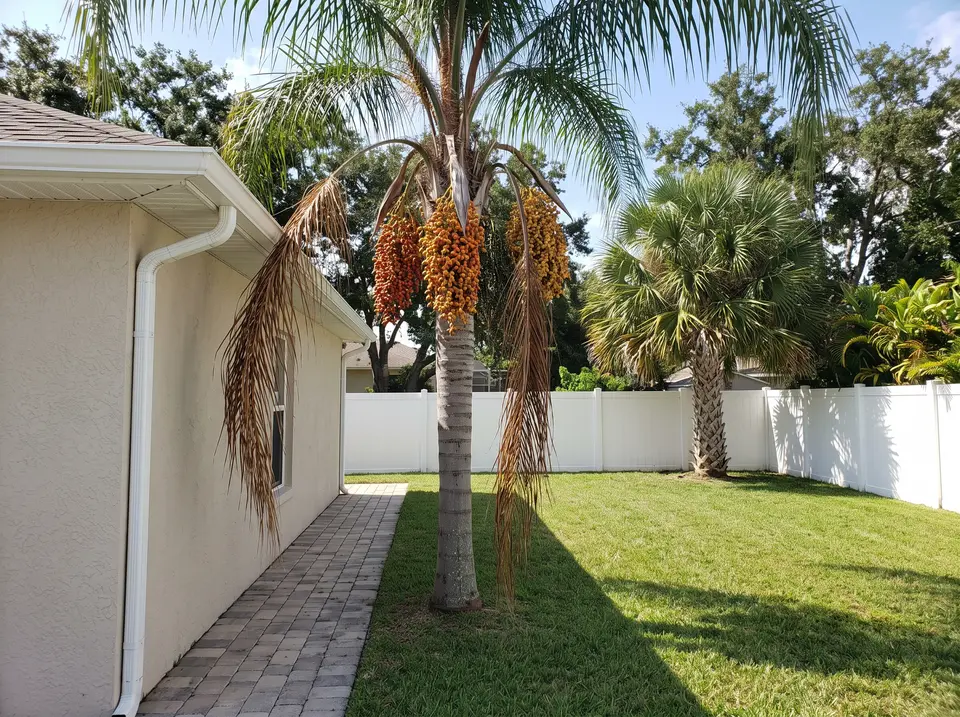
Here's a picture that might look familiar. You've got a queen palm by the front walk and a sabal out by the back fence. The queen palm has heavy fruit hanging over the path and a couple of dead fronds swinging near the gutter. The sabal looks about the same as it did last year. Those two palms are on totally different timelines, and that's normal.
For a lot of Orlando homes, a good rhythm is simple. Take a close look at your palms once a year, ideally before the stormy months we talked about earlier. Trim the ones that need it. Leave the ones that don't. Then keep an eye out in between for the signs listed above, like dead fronds hanging near the house or fruit piling up on the walkway.
What we don't recommend is trimming more often just to stay ahead of it. Cutting green fronds to stretch out the time between visits is what leads to the pencil-pointing we mentioned at the top. A lighter trim done when the palm needs it will keep it healthier over the long run. Trimming by need, not by the calendar, is what protects the bud.
What Happens During a Palm Care Visit
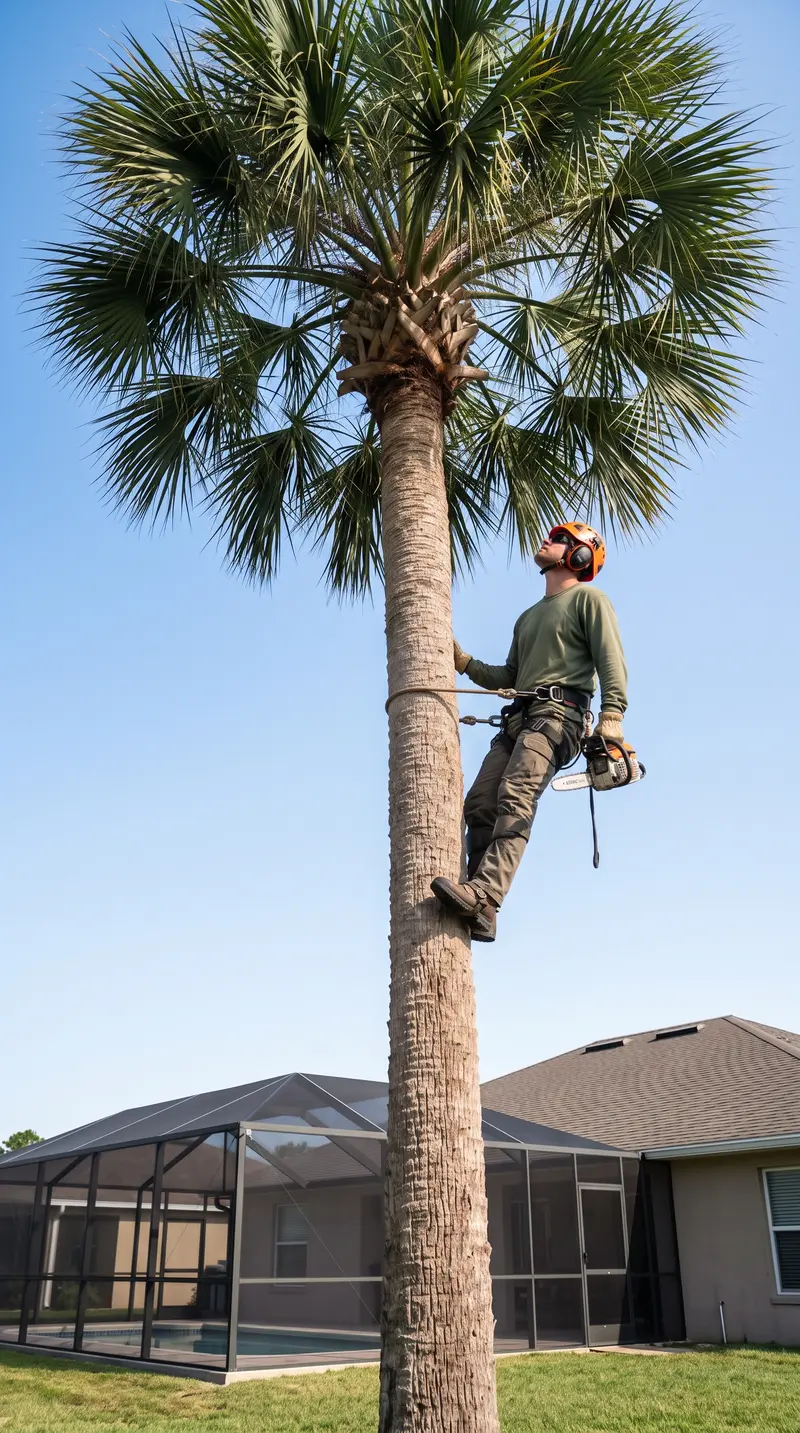
It helps to know what a good palm visit looks like before anyone climbs your tree. That way you can tell careful work from a quick hack job. Here's how a palm care visit should go, from the first look up to the last rake of the yard.
A real look before any cutting. Someone should walk around each palm and check the crown, the trunk, and what sits below it. This is when things like yellow new fronds, soft trunk spots, or fronds near power lines should come up, because they change the plan.
A plan you both agree on. You should hear which palms need work, which fronds are coming off, and which ones are staying. If a palm doesn't need a trim, you should hear that too.
Care for what's underneath. Fronds and fruit clusters are heavy. A careful crew thinks about where each one will land, so your roof, pool screen, car, and flower beds don't take a hit.
Gentle work at the crown. Cuts should stay clear of the bud and leave the healthy green fronds in place, like we talked about at the top of this page.
A full cleanup. Fronds, fruit, and old seed stalks should be gathered and hauled off, not left in a pile by the curb for you to deal with.
You can make the day go smoother with a little prep.
Move cars out from under the palms. Pull patio chairs, grills, and potted plants back from the trunk. Bring pets inside and unlock any side gates. If there's a frond that's been scraping the gutter or a fruit cluster over the walkway, point it out. You know your yard better than anyone.
What affects the price of a palm visit:
How tall the palms are and how many need work.
How easy they are to reach, like a palm tucked behind a fence or leaning over a pool enclosure.
Whether the palm is near power lines, which calls for extra care.
How much dead growth and fruit has built up since the last trim.
Whether hauling off the debris is part of the job.
When you get a quote, ask what's included. Does it cover cleanup and haul-off? Which palms are on the list? Will the green fronds stay? Clear answers up front mean no surprises later.
Once the work is done, step back to the curb and look up. The crown should still look full, with green fronds reaching up and out, not a skinny tuft pointing at the sky. The trunk shouldn't have fresh gashes or torn spots. Your gutters, screen, and walkways should be clear. If something looks off, say so while the crew is still there.